A practical 2026-27 roadmap for mandatory CBSE skill education in Classes VI-VIII, teacher preparation and Composite Skill Lab planning.
CBSE's 2026-27 shift makes skill education a core middle-school responsibility, not an optional enrichment activity. The Board's official materials state that Kaushal Bodh is mandatory for Classes VI-VIII from the 2026-27 session, while its current training notices continue to emphasise teacher preparation for implementation.
For school leaders, the real task is larger than adding a period to the timetable. Skill education asks students to investigate, make, test, collaborate and reflect. That requires capable teachers, safe routines, purposeful assessment and an implementation plan that connects curriculum with space, materials and community knowledge. Schools must also look ahead to the Composite Skill Lab requirements that apply to existing affiliated schools by 22 August 2027.
What CBSE now expects
The CBSE Skill Education books and support-material page identifies Kaushal Bodh as mandatory for Classes VI-VIII from 2026-27 and provides class-wise resources. The curriculum and books are not intended as a token craft period. They place work, practical capability and reflection inside mainstream learning.
CBSE has reinforced the rollout through repeated capacity-building programmes. A July 2026 notification described teacher programmes for mandatory implementation using NCERT's Kaushal Bodh activity books and said directors, principals, vice-principals and teachers should participate so they can implement skill education effectively. The current CBSE circulars and notifications page lists further teacher-training activity in September 2026.
This sequence sends a useful message: successful implementation is a leadership and capability project. It cannot be delegated to a single “activity teacher” without changes to planning, staffing and school routines.
Start with learning outcomes, not purchases
A common first response is to buy equipment. That may create visible activity, but it does not ensure learning. Schools should begin by studying the Kaushal Bodh resources for each class and identifying the capabilities students are expected to develop: planning, safe tool use, collaboration, problem-solving, observation, iteration and communication.
Leaders can then map each project against four questions:
- What will students understand or be able to do by the end?
- What evidence will show that learning has happened?
- What materials, space and adult support are genuinely required?
- What safety, accessibility or scheduling constraints must be resolved?
This approach fits KaizenEd's work in curriculum alignment and institutional education consulting: resources should follow the learning design, not become a substitute for it.
Build a cross-functional implementation team
Skill education crosses departmental boundaries. A workable school team may include the principal or academic head, middle-school coordinator, participating teachers, timetabler, laboratory or facilities lead, inclusion representative and a staff member responsible for procurement and safety. In smaller schools, one person may hold several roles, but each responsibility should still be named.
The team should establish a simple implementation charter covering:
- which Kaushal Bodh projects will be taught in each class and term;
- who will facilitate them and what preparation those teachers need;
- how timetable blocks, shared spaces and materials will be managed;
- how students will be grouped and supported;
- how safety checks, storage, maintenance and waste handling will work; and
- how evidence of student learning will be reviewed.
A one-page charter keeps implementation practical. It also prevents the initiative from disappearing between the academic, activity and administrative teams.
Teacher capability is the first infrastructure
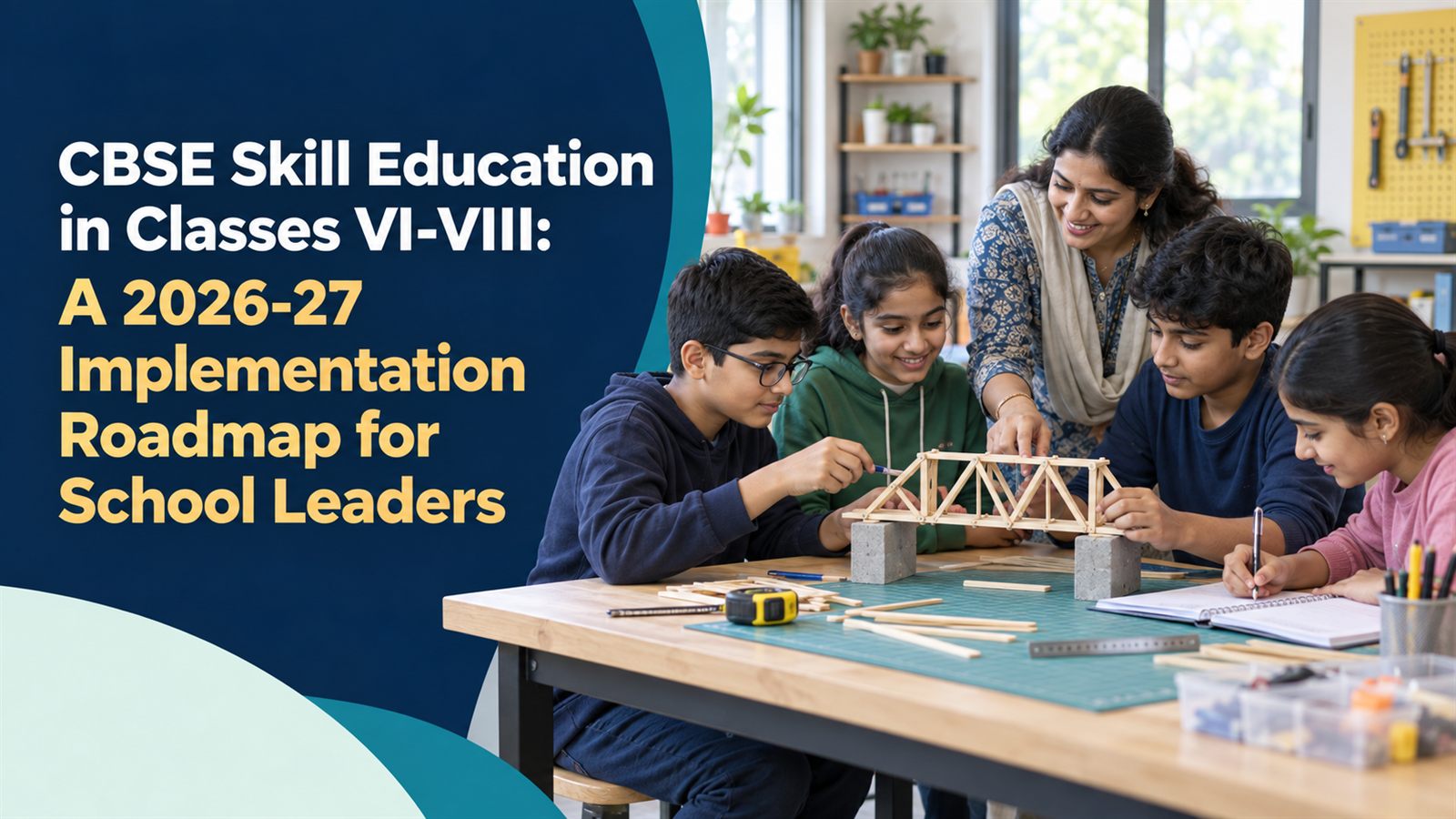
Hands-on learning changes the teacher's role. The teacher must explain a task without over-directing it, model safe practice, notice teamwork, ask questions that improve reasoning and help students learn from an unsuccessful attempt. Subject knowledge matters, but facilitation and risk awareness matter too.
Move beyond one-off orientation
A useful teacher-development sequence has three parts. First, teachers experience a project as learners. Second, they rehearse how they will introduce, supervise and assess it. Third, they review real student work together after delivery. This creates a feedback loop rather than treating attendance at a workshop as proof of readiness.
Use shared planning protocols
Before each project, teachers can complete a short planning sheet: intended outcomes, key vocabulary, likely misconceptions, materials per group, safety controls, accessibility adjustments, reflection prompts and assessment evidence. A shared protocol improves quality across sections without forcing every teacher into identical classroom language.
Create a community of practice
Monthly 30-minute reviews can be more valuable than a large annual event. Teachers can bring one student artefact, one implementation difficulty and one change they will make next time. The purpose is not to showcase perfection; it is to turn delivery experience into institutional knowledge.
Use Kaushal Bodh as designed: active, local and reflective
Skill education is strongest when students can see why the work matters. Local craftspeople, technicians, entrepreneurs, farmers, designers and service professionals may enrich learning, provided the school sets appropriate safeguarding, safety and curricular boundaries. Community participation should support the teacher's plan, not turn the class into a promotional demonstration.
Reflection is equally important. A finished model is not the only evidence of learning. Students should explain decisions, document failures, compare methods and describe how they improved a process. A group whose first design did not work may demonstrate stronger learning than a group that reproduced a teacher's model perfectly.
Plan the Composite Skill Lab as a learning system
CBSE's March 2026 guidelines for Composite Skill Labs state that new affiliation applicants require the facility, while existing affiliated schools must establish one by 22 August 2027. The circular refers to either one 600-square-foot lab for Classes VI-XII or two 400-square-foot labs, one for Classes VI-X and one for Classes XI-XII.
The accompanying guidance stresses accessibility, safety, adaptability and hands-on learning. Those principles are more important than filling a room with every possible tool. A strong lab plan considers how the space will be used across projects and student groups.
Design for flexibility
Movable work surfaces, labelled storage, clear circulation and zones for clean and messy tasks can serve more learning than fixed, specialised installations. Schools should consider student height, mobility needs, ventilation, power access, lighting and teacher sightlines before finalising the layout.
Make safety visible
Risk assessments should identify the activity, hazard, control, responsible adult and response if something goes wrong. Tools need age-appropriate rules, inspection routines and secure storage. Students should learn why a control exists rather than follow unexplained restrictions.
Budget for operations, not only setup
Consumables, replacement parts, maintenance, staff training and safe disposal create recurring costs. A lab that opens impressively but cannot support projects in the second term is not sustainable. Leaders should use a phased budget tied to the selected curriculum.
Assessment should capture process as well as product
Traditional written tests reveal only part of skill learning. Schools can collect a balanced set of evidence: planning notes, observation records, safe working habits, teamwork, prototypes, student explanations and reflection. Rubrics should be short enough for teachers and students to use during the work.
Three or four criteria are often sufficient:
- Planning: identifies the task, sequence, materials and constraints;
- Making and safety: uses tools and materials responsibly;
- Problem-solving: tests, notices and improves;
- Communication: explains choices and contributes to the group.
Teachers should avoid rewarding only polished products. Access to help and prior experience varies widely. The assessment should recognise growth, reasoning and responsible participation.
Inclusion must be designed in from the start
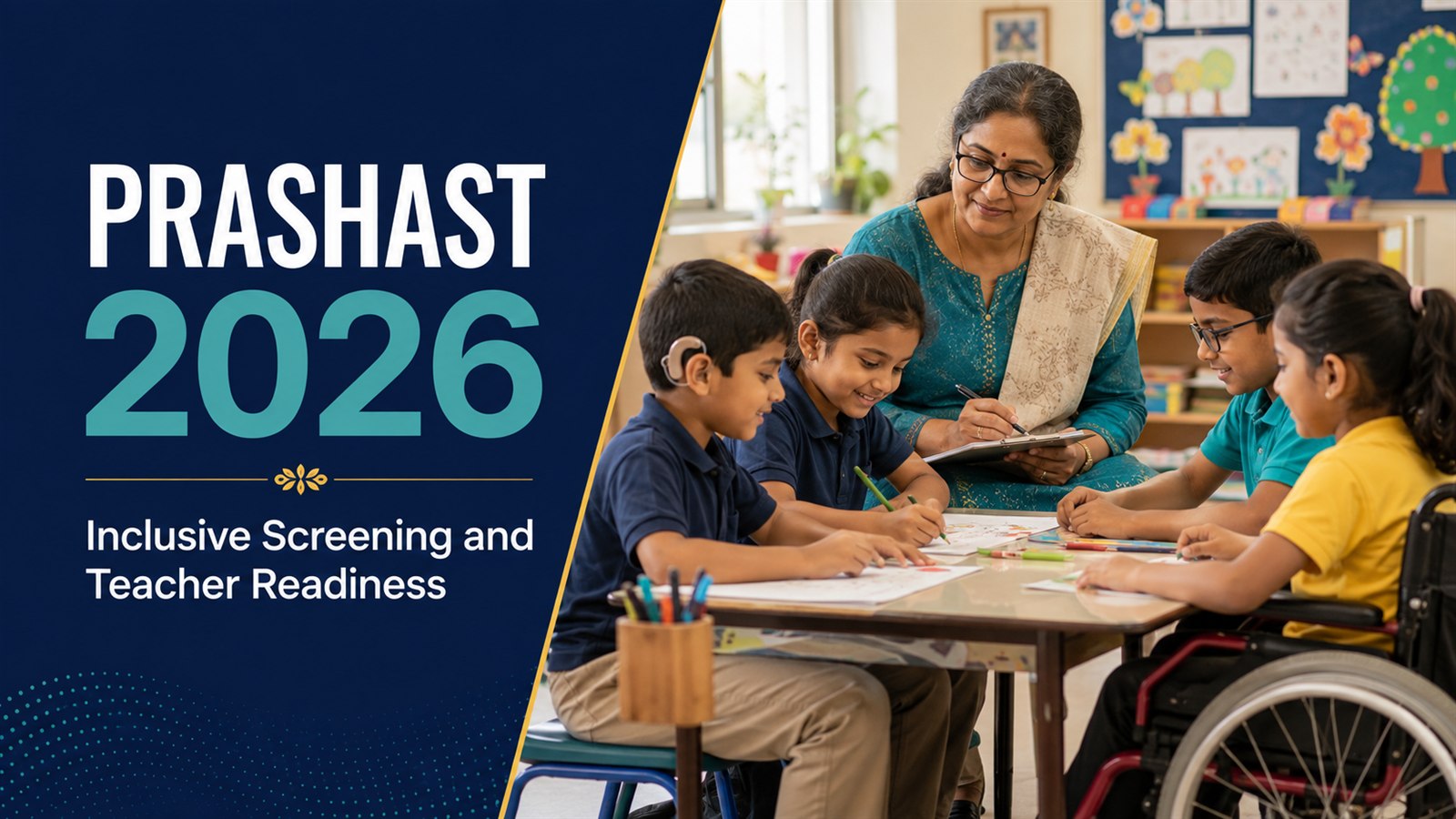
Hands-on work can expand participation, but it can also introduce barriers. Fine-motor demands, noisy spaces, colour-coded instructions, heavy tools or rapid group work may exclude some learners. Planning should offer varied roles, visual and verbal instructions, adapted grips or materials, additional time and quieter options where needed.
Group roles should rotate. One confident student should not always build while another only records. Every learner should have a meaningful way to plan, make, test or explain.
A 12-week leadership roadmap
Weeks 1-2: audit readiness
Review the official resources, current timetable, teacher confidence, available spaces, existing tools, safety procedures and accessibility. Identify what can begin now and what needs phased investment.
Weeks 3-4: choose and map projects
Select a manageable project sequence for each class. Map outcomes, time, materials, staff roles and assessment. Avoid launching every possible project at once.
Weeks 5-6: prepare teachers
Run practical rehearsal sessions. Agree shared planning and observation formats. Identify where external expertise is useful and define safeguarding and supervision expectations.
Weeks 7-10: teach, observe and adjust
Deliver the first cycle, with a leader or peer observing selected sessions. Track whether time, grouping, materials and instructions work as expected. Make small corrections quickly.
Weeks 11-12: review evidence
Examine student work and reflections across sections. Ask teachers and students what supported learning and what created friction. Use the findings to plan the next cycle and the longer-term Composite Skill Lab roadmap.
Common implementation traps
- Compliance by timetable: adding a period without defining projects, resources or outcomes.
- Procurement-led planning: buying impressive equipment before teachers know how it supports the curriculum.
- Single-teacher dependency: placing the entire programme with one person and losing continuity when roles change.
- Product-only displays: valuing neat models while ignoring reasoning, safety and iteration.
- Uncontrolled digital records: collecting student photos and portfolios without clear access, consent, retention or device rules.
Where schools use digital portfolios, vendor platforms or connected equipment, academic design should be paired with secure IT and student-data practices. Evidence collection should remain proportionate to learning needs.
What leaders should measure
Useful indicators include teacher preparation completed, projects delivered as planned, percentage of students participating in varied roles, safety incidents or near misses, quality of student reflection, material availability and changes made after review. These measures reveal whether the system is learning—not merely whether a room exists.
The strongest sign of success is transfer. Students begin to plan unfamiliar tasks, use resources responsibly, explain failure without embarrassment and improve an idea through evidence. That is the capability the curriculum is trying to build.
The institutional takeaway
CBSE's skill-education mandate gives schools an opportunity to make practical work intellectually serious. The 2027 lab deadline matters, but the deeper work starts now: align the curriculum, prepare teachers, design safe routines, include every learner and review evidence.
A well-equipped room without capable teaching will underperform. A thoughtful school can begin with modest materials, strong facilitation and a clear improvement cycle—then invest in the space and tools its learners genuinely need.
This article is an educational implementation guide based on publicly available CBSE and NCERT information as at 10 September 2026. Schools should consult the latest official circulars, affiliation requirements, curriculum documents and local safety obligations before making implementation decisions.